
· Caliber Dynamics · Guides · 3 min read
Engineering v1 Guide: Power, Armor & Fire Management
A practical guide to Alpha 4.5's engineering systems — power management, fire response, armor awareness, and atmosphere control for every CDYN operator.
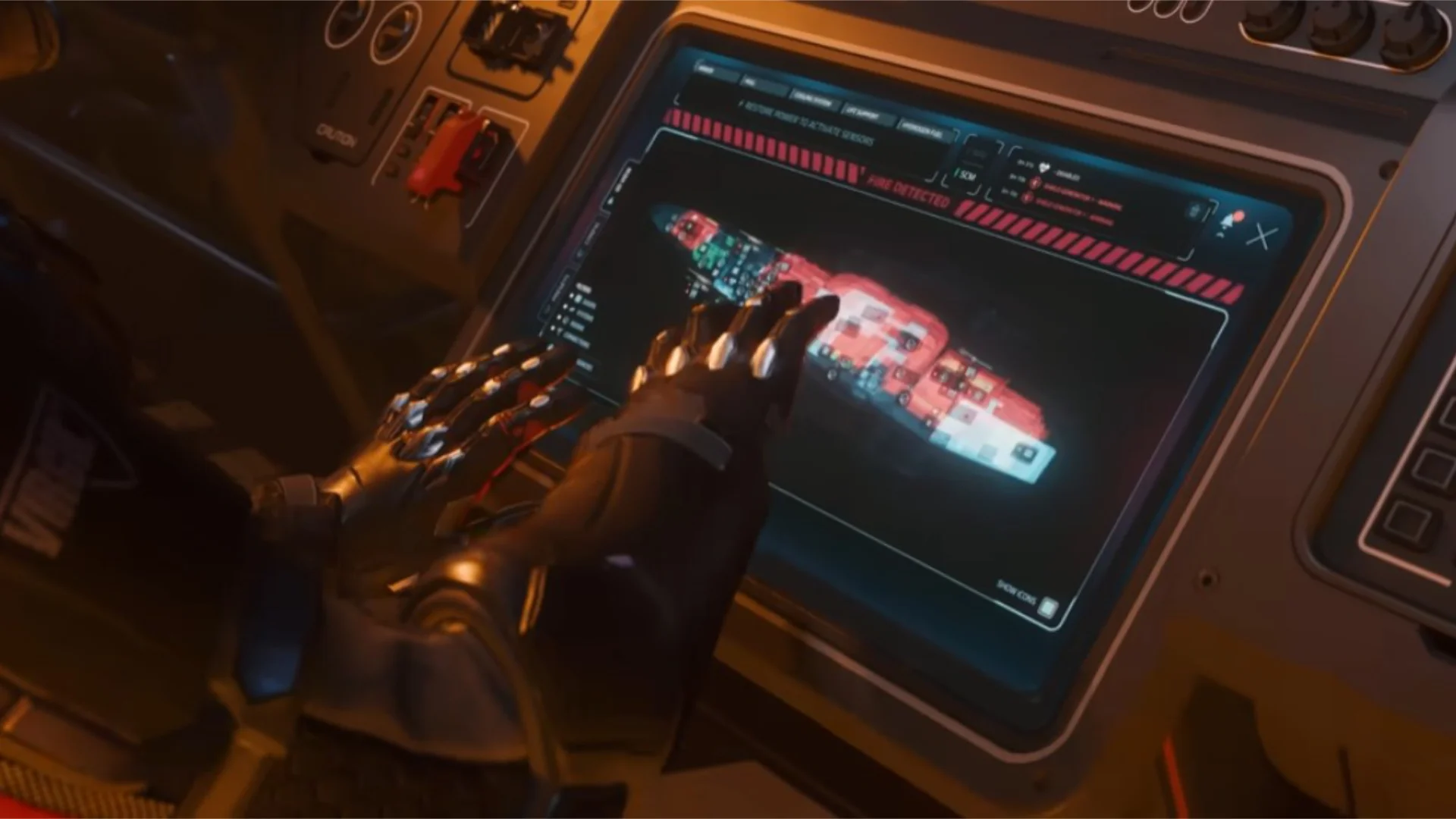
Engineering Is Real
Alpha 4.5 introduced the first iteration of engineering gameplay. If you’ve been flying casually with no concern for ship systems, that era is over. This guide covers everything you need to operate effectively with the new systems.
Power Management
The Basics
Every ship has a power plant that generates a finite amount of power. Every component — weapons, shields, engines, life support, avionics — draws from that pool.
The golden rule: Total power demand can exceed supply. When it does, things start failing.
How to Manage Power
- Access the engineering panel. Open the interactive 3D schematic from your ship’s engineering station (or mobiGlas for basic controls).
- Monitor power draw. Each system shows its current draw and maximum capacity.
- Prioritize systems based on your current situation:
| Situation | Priority Order |
|---|---|
| Combat | Shields > Weapons > Engines > Life Support |
| Fleeing | Engines > Shields > Life Support > Weapons |
| Hauling | Engines > Life Support > Shields > Weapons |
| Docked/Idle | Life Support > minimum everything else |
- Reduce non-essential draw. Turn off weapons when not fighting. Reduce shield power when docked. Every watt saved is a watt available elsewhere.
What Happens When Power Fails
- Weapons: Won’t fire or charge slowly
- Shields: Drop or recharge at reduced rate
- Engines: Reduced thrust, slower acceleration
- Life Support: Atmosphere degrades over time — eventually lethal
- Avionics: HUD elements may fail, quantum drive offline
Pro Tips
- Learn your ship’s power budget before you need it in combat
- Keep a power buffer — running at 100% capacity leaves no room for surge events
- After taking damage, re-evaluate power allocation — damaged components may draw more power
Fire Response
Prevention
- Don’t overload power circuits
- Repair damaged components before they ignite
- Keep fire extinguishers accessible in high-risk areas (engine room, turrets)
When Fire Breaks Out
- Locate the fire on the 3D schematic — affected rooms are highlighted
- Seal adjacent doors to contain the fire and limit oxygen supply
- Grab a fire extinguisher and approach the fire
- Extinguish systematically — target the base of the fire, not the flames
- Ventilate the room after the fire is out to clear smoke
- Repair damaged components that caused or were affected by the fire
Critical Facts
- Fire consumes oxygen. A sealed room with fire will eventually self-extinguish — but so will anyone inside it.
- Fire spreads through open doors. Close doors between you and a fire.
- Multiple simultaneous fires can cascade into ship loss. Act fast.
Armor Awareness
Understanding Your Ship’s Armor
- Armor values vary by ship section (bow, stern, sides, top, bottom)
- Most ships are weakest on the ventral (bottom) side
- Check your 3D schematic for armor status — degraded sections are highlighted
Tactical Implications
- Orient your strongest armor toward threats when possible
- Target enemy armor-weak sections for maximum damage efficiency
- Damaged armor doesn’t regenerate — it requires repair at a station
- Explosives bypass armor more effectively than sustained small-arms fire
Atmosphere Control
Basics
- Each room has independent atmospheric state
- Hull breaches cause localized depressurization
- Sealed doors contain atmosphere loss to affected rooms
Emergency Procedures
- Breach detected: Close all doors to the affected section
- Wear your helmet — always have it accessible
- Assess damage — can the breach be patched, or is the section lost?
- Reroute life support to prioritized sections if needed
- Seal and abandon sections that can’t be saved
Helmet Protocol
Your helmet is now a physical object. It can be knocked off. Always know where your helmet is. In combat situations, wear it at all times — the few seconds it takes to put one on after a breach can be fatal.
CDYN Engineering Standards
- Every crew member learns basic power management — not just designated engineers
- Fire extinguishers at every station — don’t rely on the engineer to reach yours
- Helmet-on policy during combat and Pyro operations
- Engineering officer designation for multi-crew ships — one person monitors systems full-time
- Practice damage response during non-combat time — run drills
Engineering is what separates a crew from a group of people sitting in the same ship. Learn it.



Discussion